
Introduction to ChatGPT and its capabilities
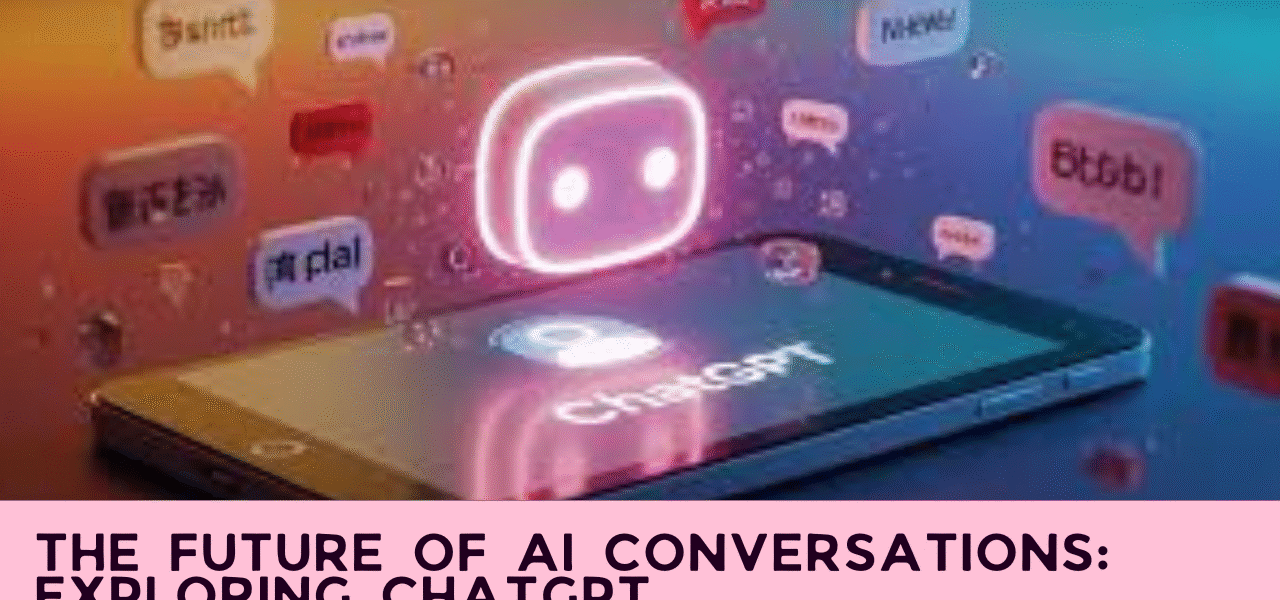
In a world where technology has become an integral part of our daily lives, the way we communicate is evolving at lightning speed. Enter ChatGPT—a groundbreaking AI language model that’s transforming conversations as we know them. Imagine having a virtual assistant that can engage in fluid dialogue, understand context, and respond almost human-like. This isn’t science fiction; it’s happening right now.
ChatGPT harnesses the power of artificial intelligence to enhance not just personal communication but also professional interactions across various platforms. From casual chats to complex discussions, its capabilities are reshaping how we connect with one another and with businesses. As these advancements unfold, it begs the question: What does the future hold for AI conversations? Join us as we dive into this intriguing realm and explore what makes ChatGPT a game-changer in digital dialogue.
How ChatGPT is revolutionizing the way we communicate
ChatGPT is changing communication like never before. It bridges gaps between humans and machines, making interactions feel more natural. No longer do we rely solely on scripted chatbots; instead, ChatGPT engages in dynamic conversations.
The model understands context and nuance, allowing for richer dialogues. Users appreciate the ability to ask follow-up questions or dive deeper into topics without losing track of the conversation.
Businesses are harnessing this technology to enhance customer support. With instant responses and personalized interactions, clients feel valued rather than just another number in a queue.
In personal settings, ChatGPT serves as an intuitive companion for brainstorming ideas or seeking advice. The ease with which it adapts to user preferences fosters a sense of connection that traditional methods lack.
As people become accustomed to these intelligent exchanges, expectations for human-like interaction will rise across various platforms.
The potential impact of ChatGPT on industries and businesses
ChatGPT is reshaping various industries by enhancing communication and streamlining operations. Businesses can leverage its capabilities to provide instant customer support, reducing response times and improving satisfaction.
In marketing, ChatGPT assists in crafting personalized content that resonates with target audiences. It generates engaging posts and automates responses on social media platforms.
Healthcare also stands to benefit significantly from this technology. Medical professionals can use ChatGPT for patient interactions or preliminary assessments, allowing them more time to focus on critical care tasks.
Furthermore, education sectors are embracing AI conversations for tutoring systems. Students receive immediate feedback and assistance tailored to their learning pace.
By integrating ChatGPT into workflows, companies not only boost productivity but also foster innovation. The versatility of such an AI tool opens doors to new business models that were previously unimaginable.
Ethical concerns surrounding AI conversations
As AI conversations become more prevalent, ethical concerns are surfacing. Privacy is a major issue. Users often share personal information during interactions with chatbots like ChatGPT. How that data is stored and used remains a worry.
Another concern revolves around bias in AI responses. If the training data reflects societal biases, it can perpetuate stereotypes or misinformation. This could lead to harmful consequences in sensitive topics.
Transparency is also crucial. Users should understand when they are interacting with an AI versus a human. Misleading individuals could erode trust and complicate communication dynamics.
There’s the question of accountability. When an AI provides incorrect or harmful information, who bears the responsibility? These pressing issues demand attention as we embrace technology’s potential while ensuring ethical standards guide its development and use.
ChatGPT vs Other AI chatbots: A Comparison
ChatGPT stands out in the crowded field of AI chatbots. Its conversational prowess is a game changer, offering more nuanced and context-aware exchanges.
Unlike traditional bots that follow rigid scripts, ChatGPT leverages deep learning models to generate responses that feel genuinely human. This adaptability allows for richer conversations.
When compared to other AI systems like rule-based chatbots or simpler machine learning models, ChatGPT excels in understanding user intent. It can process subtleties and complexities in language better than many competitors.
Additionally, its ability to learn from vast datasets gives it an edge in staying updated with cultural references and trends. While some chatbots may struggle with coherence over long dialogues, ChatGPT maintains consistency throughout extended interactions.
These features position ChatGPT not just as another chatbot but as a significant evolution in conversational AI technology.
Real-life applications of ChatGPT
ChatGPT is making waves across various sectors. Its versatility shines through in customer support, where it handles inquiries efficiently, reducing wait times and enhancing user experiences.
In education, ChatGPT serves as a tutor. Students can ask questions anytime and receive instant feedback. This fosters independent learning and keeps them engaged.
Content creation is another area benefiting from ChatGPT’s capabilities. Writers use it to brainstorm ideas or generate drafts quickly, streamlining the writing process.
Healthcare providers are leveraging this technology too. By integrating ChatGPT into their systems, they can offer patients preliminary information about symptoms before a doctor’s visit.
Also notable is its role in mental health support. Users seeking conversation can interact with ChatGPT for companionship or guidance during tough times.
The applications continue to expand as industries adapt to this evolving tool, showcasing its potential to transform how we work and communicate.
Limitations and challenges for the future of AI conversations
Despite its impressive capabilities, ChatGPT faces notable limitations. One significant challenge is the understanding of context. While it excels at generating relevant responses, it sometimes struggles with nuanced conversations.
Another hurdle lies in handling ambiguous queries. Users often express themselves in ways that may confuse AI, leading to less accurate answers. This can disrupt the flow of conversation and reduce user satisfaction.
Moreover, reliance on training data presents risks. ChatGPT’s knowledge is confined to what it’s been exposed to up until 2023. Anything beyond that remains outside its grasp.
There’s a persistent issue concerning bias within AI models. If not addressed carefully, those biases can inadvertently shape conversations in undesirable ways.
These aspects highlight the need for ongoing refinement and oversight as we navigate the future landscape of AI interactions.
Conclusion
The rapid advancement of technology has ushered in an era where AI conversations are becoming more seamless and engaging. ChatGPT stands at the forefront of this revolution, showcasing remarkable capabilities that enhance communication across various platforms. Its ability to understand context and generate human-like responses is transforming how we interact online.
Industries are beginning to recognize ChatGPT’s potential to streamline operations and improve customer engagement. From marketing strategies to personalized customer support, businesses can leverage this tool for greater efficiency and effectiveness.
However, with great power comes great responsibility. Ethical concerns surrounding AI-generated conversations must not be overlooked. Issues like data privacy, misinformation, and bias need ongoing attention as these technologies evolve.
When compared with other AI chatbots, ChatGPT often stands out due to its sophisticated language processing skills. While many bots provide basic automated responses, ChatGPT engages users on a deeper level—offering tailored interactions that feel more authentic.
Real-life applications of ChatGPT span numerous fields: education benefits from interactive tutoring sessions; healthcare utilizes it for patient inquiries; content creators find inspiration through brainstorming sessions facilitated by AI.
Yet challenges remain on the horizon for future developments in AI conversation technology. Limitations such as misunderstanding nuanced questions or generating incorrect information persistently remind us that while progress is promising, it is still a work in progress.
As we delve deeper into the world of artificial intelligence and conversational tools like ChatGPT, it’s clear that we’re only scratching the surface of what’s possible. The future holds exciting prospects filled with innovations waiting just around the corner.



3 COMMENTS