
Introduction to Area Codes
Area codes are more than just numbers. They represent regions, communities, and the ever-evolving landscape of communication. With technology advancing at lightning speed and populations shifting, area codes have become a fascinating reflection of our society’s growth.
Among these numerical identifiers is the 424 area code—a relatively recent addition that has its own unique story to tell. As we dive into its history and significance, you’ll discover how this area code came to be, why it matters today, and what its future may hold for businesses and residents alike. Get ready to explore the intriguing journey of the 424 area code!
The History of the 424 Area Code
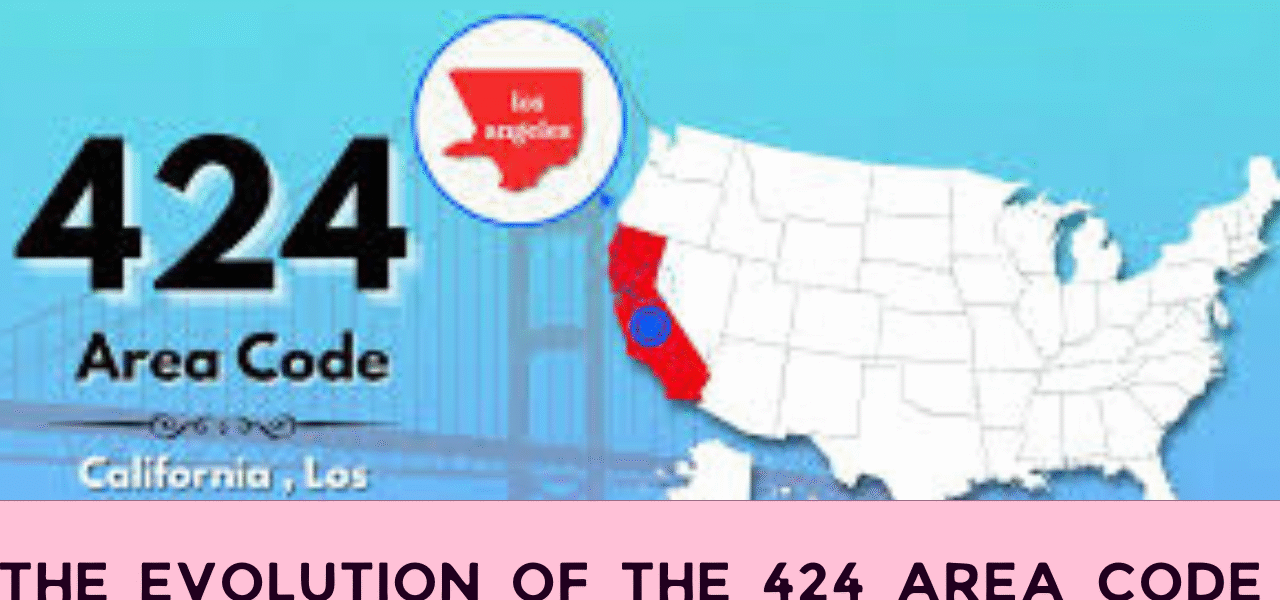
The 424 area code emerged in the early 2000s as part of a growing need for additional telephone numbers in California’s densely populated regions. Initially, it was implemented on January 15, 2002.
This new area code serves the same geographic area as the existing 310 code, which had reached its capacity due to increasing demand from businesses and residents alike. The introduction of overlay codes became necessary as mobile phones proliferated and traditional landlines dwindled.
Residents found themselves with a unique challenge: navigating two different area codes within the same region. This change marked a significant shift in how communications were managed in Los Angeles County.
Despite initial confusion, many adapted quickly to this dual-area system, highlighting the resilience of communities facing technological changes.
Reasons for the Creation of the 424 Area Code
The creation of the 424 area code stemmed from a growing demand for telephone numbers in Southern California. As technology advanced, more devices required unique identifiers. The surge in mobile phones and internet-enabled gadgets made it clear that existing codes could not meet the needs.
In particular, Los Angeles County experienced rapid population growth during the late 1990s and early 2000s. The influx of residents led to an increased need for phone lines across homes and businesses alike.
Moreover, traditional landline usage began to decline as cell phones took center stage. This shift meant a fresh approach was needed to accommodate new communication methods.
To alleviate congestion within the original 310 area code, which had become saturated, officials introduced 424 as an overlay. It allowed new customers access without disrupting established numbers while ensuring everyone could stay connected efficiently.
Changes in Population and Technology
The landscape of the 424 area code has shifted dramatically over the years. Population growth in Los Angeles County spurred demand for more phone numbers. As urban areas expanded, so did the necessity for additional area codes.
Technology played a crucial role in this transformation. The rise of mobile phones changed how people communicated. Landlines are less prevalent now, but they still coexist with advanced telecommunication services.
Telecom innovations have also led to virtual numbers and VoIP solutions that transcend traditional boundaries. These developments allowed residents and businesses within the 424 area to access broader communication options readily.
As demographics evolve, so does technology’s impact on connectivity. This dynamic relationship continues to shape daily interactions within the region while creating opportunities for local enterprises to thrive amidst changes.
Impact on Businesses and Residents
The introduction of the 424 area code has brought both challenges and opportunities for local businesses. Companies had to adjust their marketing strategies, often updating promotional materials and signage to reflect the new dialing requirements. This change emphasized the need for clear communication with customers.
Residents also experienced a transition as they navigated phone plans and contact lists filled with unfamiliar numbers. Some found it difficult initially, but most adapted quickly.
For small businesses, having a unique area code can enhance brand identity. It lends an air of modernity that appeals to younger consumers looking for trendy services or products.
Meanwhile, larger corporations may see this shift as a chance to expand their reach in an increasingly competitive market. The 424 area code symbolizes growth and innovation within the community itself.
Controversies Surrounding Area Code Overlays
Area code overlays often spark debates among residents and businesses alike. Some view the changes as a necessary evolution in our increasingly connected world, while others see them as an inconvenience.
One primary concern is confusion. New area codes introduced alongside existing ones can lead to misdialed calls. When dialing a number, people may forget to include the new prefix, resulting in frustration.
Additionally, there are worries about identity loss. Long-established area codes often hold sentimental value for communities. Residents feel their local culture is diminished when overlay systems come into play.
Businesses also face challenges with rebranding efforts and communication strategies that become complicated due to these changes. They must update marketing materials and inform customers of new dialing protocols.
Such controversies highlight the tension between technological advancement and community identity within our modern society.
Future Predictions and Speculations
The future of the 424 area code is a topic of much speculation. As technology continues to evolve, communication methods are shifting dramatically. More people rely on mobile devices and internet-based calling services than ever before.
Experts predict that as digital communication becomes even more dominant, traditional landlines may see a decline. This shift could influence how area codes are utilized in the coming years.
We might also witness further overlays or new area codes introduced due to population growth in California. The demand for phone numbers shows no signs of slowing down.
Moreover, with the rise of smart home devices and IoT technology, each device may require its own identifier—potentially leading to an entirely different numbering system within existing frameworks.
The landscape surrounding the 424 area code will likely continue evolving alongside these innovations and demographic changes.
Conclusion
The 424 area code has come a long way since its inception. It reflects the dynamic nature of telecommunications and urban growth in Los Angeles. As technology continues to evolve, so will our reliance on these codes for communication.
Residents and businesses within the 424 area have adapted to changes, navigating both challenges and opportunities that arise from living in an overlay region. While some debates about the efficacy of overlays persist, it’s clear that the need for connectivity remains paramount.
Looking ahead, as population demands shift and tech advances further impact how we communicate, one can only speculate what changes might come next for area codes like 424. Whether it leads to new codes or additional overlays remains uncertain.
For now, the 424 area code stands as a testament to adaptation in our increasingly interconnected world.