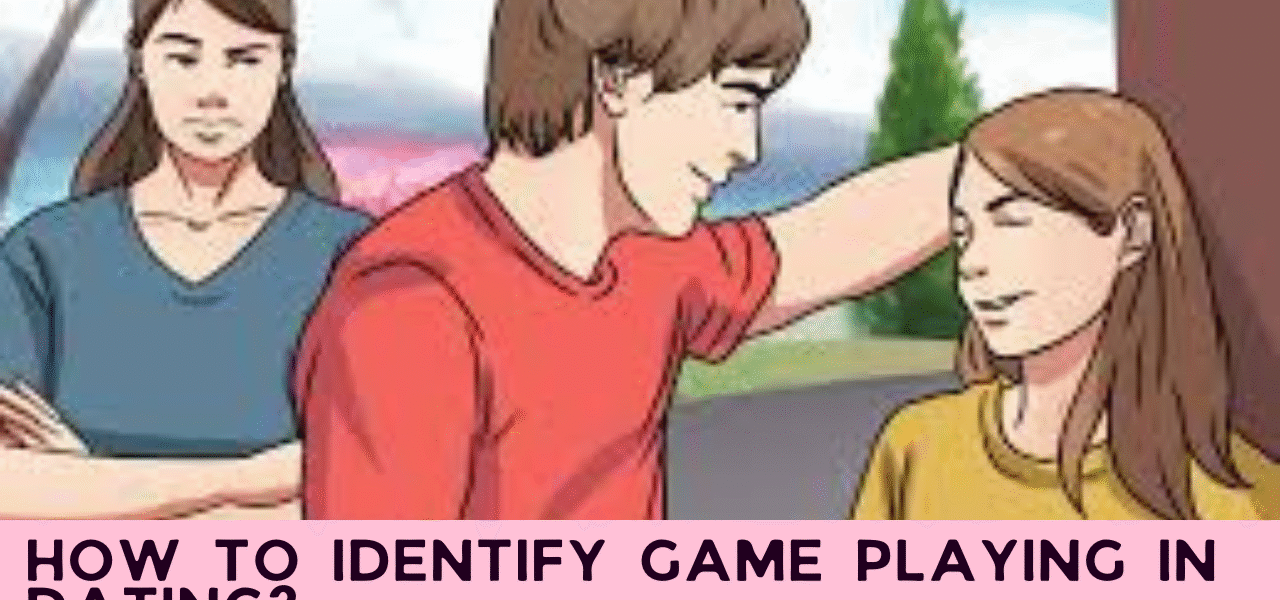

Introduction to Game Playing in Dating
Dating can be a thrilling adventure, filled with excitement and possibilities. However, it often comes with its own set of challenges—one of the biggest being game playing. This behavior can leave you feeling confused and frustrated, especially when you’re trying to navigate your feelings for someone new. Game playing in dating isn’t just annoying; it can also derail genuine connections before they even begin.
So how do you spot these games before they lead you down a rabbit hole of mixed signals? Understanding the signs and motivations behind this behavior is crucial if you want to protect your heart and time. Let’s dive into the world of game playing in dating, unravel its complexities, and equip ourselves with tools to foster healthier relationships moving forward.
Signs of Game Playing: Mixed Signals, Inconsistency, and Manipulation
Game playing in dating often manifests through mixed signals. One moment they seem enthusiastic, the next they’re distant or unresponsive. This erratic behavior leaves you guessing about their true feelings.
Inconsistency is another red flag. They might shower you with attention one week and barely acknowledge you the next. This push-and-pull dynamic can be confusing and exhausting.
Manipulation also plays a significant role in game playing. You may notice them using guilt or jealousy to control situations, all while presenting themselves as the victim when confronted about their behavior.
These tactics create an emotional roller coaster that makes it hard to establish trust and genuine connection. Recognizing these signs early on can help protect your heart from unnecessary turmoil.
The Reasons Behind Game Playing Behavior
Game playing in dating often stems from deep-rooted issues. For some, it’s a defense mechanism. They may fear vulnerability and intimacy, leading them to play emotional games instead of forming genuine connections.
Others might engage in this behavior to boost their ego. The thrill of keeping someone interested while maintaining power can be intoxicating for certain individuals. Validation becomes a game they masterfully navigate.
Additionally, past experiences shape their outlook on relationships. If they’ve faced betrayal or heartbreak, they might adopt a cynical approach to love, believing that everyone plays games.
Cultural influences also play a role. Many media portrayals glamorize the chase and manipulation in romantic scenarios, normalizing such behaviors in real life.
Understanding these motivations is crucial for recognizing when you’re dealing with a game player rather than someone genuinely interested in you. Awareness can lead to healthier choices moving forward.
How to Avoid Falling into the Game Playing Trap
To avoid falling into the game playing trap, trust your instincts. If something feels off, don’t ignore that feeling.
Establish clear boundaries early on. Communicating what you want and expect can help deter manipulative behavior.
Pay attention to consistency in their actions and words. Game players often hesitate to commit or follow through on promises.
Surround yourself with supportive friends who can provide perspective. They may notice red flags you might overlook because of emotional attachment.
Keep your self-worth intact by not seeking validation from someone who plays games. Focus on building a healthy relationship built on mutual respect instead.
Regularly assess how the dating experience makes you feel; prioritize joy over confusion or frustration.
Healthy Communication and Setting Boundaries
Healthy communication is the cornerstone of any successful relationship. It involves expressing your thoughts and feelings openly, while also listening actively to your partner. When both parties feel heard, misunderstandings can be minimized.
Setting boundaries is equally important. Clear limits help define what behaviors are acceptable and which ones aren’t. This creates a safe space for both individuals involved.
Be assertive when discussing your needs. Use “I” statements to express how certain actions affect you without blaming or accusing the other person.
Encourage an atmosphere where both partners can share their concerns without fear of judgment or retaliation. Regular check-ins about each other’s comfort levels can further strengthen trust.
Remember that boundaries aren’t walls; they’re guidelines for healthier interaction and mutual respect in dating dynamics.
Moving on from a Relationship with Game Player
Moving on from a relationship with a game player can feel overwhelming. The emotional toll is often significant, leaving you questioning your self-worth.
Start by giving yourself time to grieve the loss of what you hoped for. It’s okay to feel sadness and confusion. Acknowledge these feelings as part of the healing process.
Surround yourself with supportive friends who uplift you. Sharing your experiences can provide clarity and perspective that might be hard to see alone.
Focus on rediscovering your passions or hobbies that may have taken a backseat during the relationship. Engaging in activities you love boosts self-esteem and helps shift focus away from past hurt.
Consider setting new personal goals, whether they’re related to career, fitness, or relationships. This proactive approach empowers you and fosters growth beyond the negativity experienced previously.
Embrace this opportunity for renewal; it’s a chance for personal transformation into someone even more resilient.
Conclusion
Navigating the world of dating can be exhilarating and daunting at the same time. Recognizing game playing is essential for protecting your heart and mental well-being. By staying alert to mixed signals, inconsistency, or manipulative tactics, you can better identify when someone may not have genuine intentions.
Understanding why some people engage in game playing behavior helps demystify their actions. Often rooted in insecurities or past hurts, these behaviors reflect more on them than on you.
Avoiding the pitfalls of game playing starts with fostering healthy communication and setting clear boundaries. Being open about your expectations creates a safer space for authentic connections to flourish.
If you find yourself entangled with a player, remember that moving on is perfectly okay. Surround yourself with supportive friends who encourage growth and self-love.
Recognizing game playing leads to healthier relationships filled with honesty and respect—values everyone deserves in love and life. Prioritize your emotional health as you seek meaningful connections that uplift rather than confuse you.