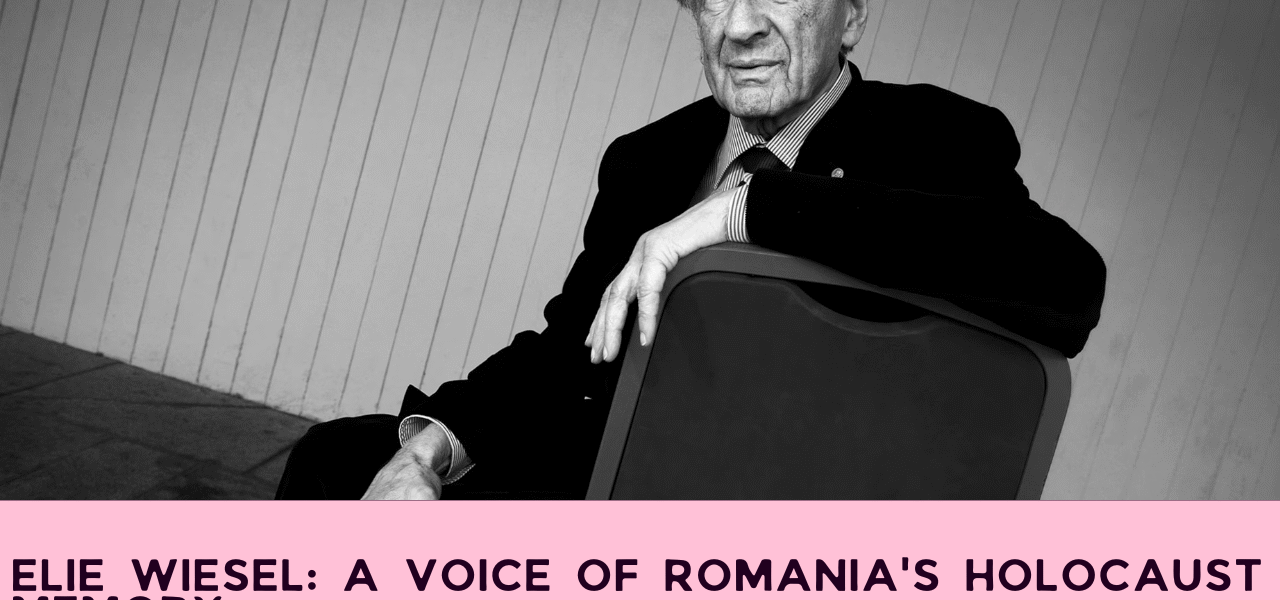

Introduction to Elie Wiesel and his impact on Holocaust memory
Elie Wiesel stands as a monumental figure in the remembrance of the Holocaust, his voice echoing through time and space. Born in Romania, Wiesel transformed personal tragedy into powerful narratives that resonate with audiences worldwide. His life story is not just about survival; it’s about speaking out against hatred and ensuring that history does not repeat itself. Through his writings and activism, he has become an essential part of the dialogue surrounding genocide and intolerance. As we explore Wiesel’s impact on Holocaust memory, we uncover how one man’s journey can illuminate the darkest corners of human experience while inspiring hope for a better future.
Early life and experiences during the Holocaust
Elie Wiesel was born in Sighet, Romania, in 1928. His childhood unfolded against a backdrop of culture and tradition. Judaism was at the heart of his upbringing, shaping his identity.
When World War II erupted, everything changed dramatically for Wiesel and his family. In 1944, they were forcibly taken from their home by Nazis. What followed was a harrowing journey through ghettos and concentration camps.
Wiesel endured unimaginable horrors at Auschwitz and Buchenwald. These experiences scarred him deeply but also fueled his resolve to bear witness to the atrocities committed during this dark chapter of history.
His survival became a testament not just to resilience but also to the importance of memory. Each moment he lived through would later inform his powerful writing and advocacy work on behalf of Holocaust remembrance.
Writing career and influence in raising awareness about the Holocaust
Elie Wiesel’s writing career began as a powerful response to his haunting experiences during the Holocaust. His seminal work, “Night,” serves not only as a memoir but also as an urgent call for remembrance.
Through vivid storytelling, Wiesel transported readers into the depths of despair faced by millions. His prose resonated deeply, revealing the personal toll of unimaginable horrors.
As he penned more works, such as “Dawn” and “Day,” Wiesel continued to explore themes like guilt, survival, and human resilience. Each narrative contributed layers to our understanding of that dark chapter in history.
Wiesel’s impact extended beyond literature; he became an enduring voice for those silenced by genocide. His words ignited conversations about tolerance and humanity across generations. This legacy has shaped countless educational programs aimed at fostering awareness about the Holocaust worldwide.
Social and political activism in fighting against genocide and intolerance
Elie Wiesel’s activism extended far beyond his literary achievements. He became a powerful voice against genocide and intolerance, advocating for human rights around the globe.
Wiesel’s speeches resonated deeply with audiences. He challenged leaders to confront injustices and urged individuals to take action in their communities. Through his work, he highlighted the importance of empathy in combating hatred.
His influence reached various platforms, from educational institutions to international conferences. Wiesel emphasized that silence in the face of oppression is unacceptable.
He co-founded several organizations focused on promoting peace and understanding among diverse cultures. His commitment was unwavering; he believed that every generation must fight against the forces that seek to divide humanity.
Through public lectures and writings, Elie Wiesel ignited conversations about moral responsibility. His legacy serves as a reminder that collective action can challenge even the darkest circumstances faced by society.
Controversies surrounding Wiesel’s legacy
Elie Wiesel’s legacy is not without its controversies. While many celebrate him as a moral compass, others question his stances on various issues.
Some critics argue that he was too closely aligned with certain political movements. His outspoken support for Israel drew ire from those who felt it overshadowed his humanitarian message.
Additionally, debates arise around his portrayal of the Holocaust in relation to other genocides. Some believe that focusing primarily on Jewish suffering can inadvertently diminish the experiences of other marginalized groups.
Wiesel’s relationships with prominent figures also sparked discussion. Critics have pointed out instances where they felt he compromised his principles for the sake of diplomacy.
Despite these disputes, Wiesel remains a powerful figure whose work continues to provoke thought and inspire debate about memory and justice in our world today.
Legacy of Elie Wiesel and his contributions to Holocaust education and remembrance
Elie Wiesel’s legacy is woven deeply into the fabric of Holocaust education. His powerful narratives serve as a reminder of the past, ensuring that future generations do not forget the horrors faced by millions.
Through his acclaimed works like “Night,” Wiesel transformed personal suffering into universal lessons about humanity. His storytelling bridges gaps between cultures and encourages empathy among readers worldwide.
Wiesel was instrumental in establishing institutions dedicated to remembrance and education. Organizations such as The Elie Wiesel Foundation for Humanity continue his mission, promoting awareness against intolerance and hatred.
In Romania, where he spent part of his youth, his influence resonates strongly. Schools incorporate his teachings, fostering discussions on morality and ethics rooted in historical context.
His voice remains vital in combating ignorance about the Holocaust. By sharing stories of resilience amidst despair, Wiesel cultivates a lasting commitment to remembering history’s darkest chapters.
Conclusion: Why Elie Wiesel’s voice will continue to be an important part of Romania’s history
Elie Wiesel’s voice resonates powerfully within the narrative of Romania’s Holocaust memory. His life and experiences serve as poignant reminders of the atrocities faced during this dark chapter in history. With his deep roots in Romanian culture, Wiesel was not just a witness but also an advocate for justice, urging future generations to remember and learn from past horrors.
Wiesel’s writings have inspired countless individuals to confront uncomfortable truths about human rights abuses and genocide. His commitment to education ensures that awareness continues to grow. As people engage with his work, they find both solace and motivation to stand against hatred.
The impact of Elie Wiesel transcends borders. It fosters conversations about tolerance and coexistence, vital themes that resonate strongly today. In Romania, where memories may fade yet are crucial for collective identity, Wiesel’s legacy will remain alive through educational initiatives and remembrance events.
His call for vigilance is more relevant than ever as society grapples with rising intolerance globally. Elie Wiesel has left an indelible mark on history—a reminder that one person’s voice can illuminate darkness and inspire change across generations in Romania and beyond.
As we reflect on his contributions, it becomes evident that preserving Elie Wiesel’s message is essential for ensuring a compassionate future rooted in understanding rather than division.