
Introduction to Area Codes
Area codes: they’re a fundamental part of our communication landscape, shaping how we connect with each other. While often overlooked, these numerical identifiers tell us more than just where a call is coming from. They reflect the growth and changes in our communities over time.
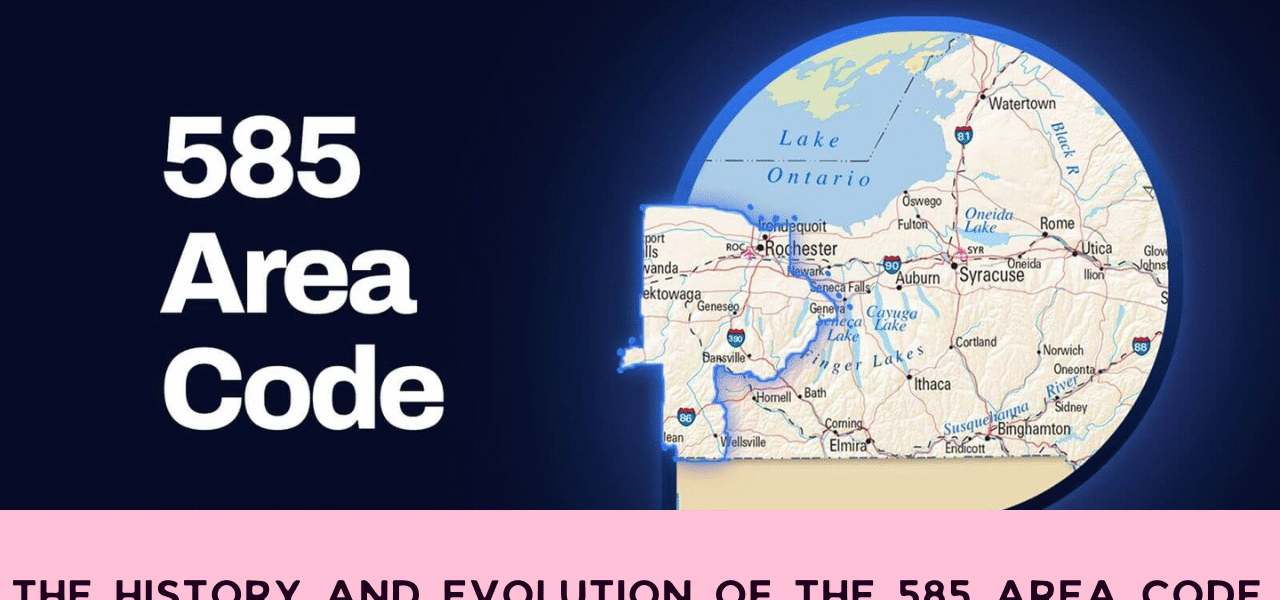
One area code that has piqued curiosity is the 585 area code, which serves western New York, including Rochester and its surrounding areas. If you’ve ever wondered about its history or what led to its creation, you’re not alone. The journey of this area code is filled with interesting twists and turns that mirror technological advancements and demographic shifts.
Let’s delve into the fascinating evolution of the 585 area code—from its inception to its impact on local businesses and residents today.
The Beginnings of the 585 Area Code
The 585 area code was introduced on March 1, 2001. It was created to serve the western and central regions of New York state. This new code emerged from the need for more phone numbers as demand increased.
Prior to its debut, the region was part of the 716 area code. As population growth surged and technology advanced, it became clear that a split was necessary to accommodate more residents and businesses.
Initially, many were hesitant about this change. The transition required everyone in the affected areas to adjust their dialing habits. Yet over time, residents grew accustomed to their new area code.
The introduction marked a significant milestone in telecommunications for upstate New York. Businesses began adapting marketing strategies that embraced this fresh identity while ensuring connectivity across communities remained strong.
Changes and Additions to the 585 Area Code
The 585 area code has seen its fair share of changes since its inception. Initially, it was introduced in 2001 to serve parts of western New York. This addition marked a significant shift as the demand for phone numbers increased dramatically.
As technology evolved, so did communication needs. The 585 area code often faced pressure from new businesses and residents moving into the region, prompting concerns about running out of available numbers.
To address this issue, overlay plans were discussed but not implemented immediately. Instead, local officials encouraged residents to adopt ten-digit dialing to preserve their number supply.
In recent years, discussions surrounding splitting or adding another area code have resurfaced due to continuous growth in population and telecommunications technology. Residents and businesses alike keep a close watch on any updates related to this ever-evolving situation.
Controversies Surrounding the 585 Area Code
The 585 area code has faced its share of controversies since its inception. One major point of contention arose from the initial split from the 716 area code in 2001. Many residents felt a deep connection to their original area code and were resistant to change.
Another issue surfaced with the introduction of new number formats, particularly as mobile phones proliferated. The rise in demand for phone numbers led to fears about scarcity and confusion among consumers.
Some local businesses voiced concerns that changing area codes might deter customers or create misunderstandings regarding service areas. This anxiety still lingers, especially with evolving technology like VoIP services that can complicate traditional boundaries.
Moreover, some believe that having multiple overlays could dilute regional identity. For many, an area code is more than just a series of digits; it represents community ties and history that’s hard to let go of easily.
Impact on Business and Personal Communication
The 585 area code has significantly influenced both business and personal communication in its designated regions. For businesses, having a local area code fosters trust and credibility among customers. It signals that the company is part of the community.
For individuals, dialing a local number feels more familiar, making it easier to connect with friends and family. The familiarity encourages communication, whether for casual chats or urgent matters.
Moreover, as mobile phones have surged in popularity, the presence of multiple area codes can create confusion. People may hesitate to answer calls from unknown numbers due to concerns about telemarketers or scams.
Businesses must adapt by ensuring their contact information is clear across all platforms. This helps mitigate any anxiety around answering unfamiliar calls while promoting engagement with clients effectively. As technology continues to evolve, so will the dynamics of phone communication within the 585 area code region.
Future of the 585 Area Code
The future of the 585 area code is poised for change as technology continues to evolve. With the rise of mobile devices and VoIP services, traditional landline usage has been in decline. This shift could affect how area codes are utilized.
As population growth in parts of Western New York continues, demand for new phone numbers increases. The potential introduction of an overlay area code might become necessary to accommodate this growth.
Telecommunication providers will need to adapt quickly to these changes, ensuring that residents stay connected without disruptions. Innovations like number portability may also play a role, enabling users to keep their numbers even if they switch areas or service providers.
Community discussions about any upcoming changes will be crucial as residents voice their opinions on what feels most familiar and convenient for them moving forward.
Conclusion
The 585 area code has a rich history that reflects the changing landscape of telecommunications. From its inception in 2001, this area code has served as a vital connection for residents and businesses in western New York. The ongoing adjustments to accommodate new number allocations highlight the growing demand for communication services.
Controversies surrounding the 585 area code emphasize how important it is to maintain clear lines of communication amid changes. These discussions are crucial for understanding consumer needs and expectations in an ever-evolving digital world.
As technology advances, so too does the importance of maintaining reliable connectivity. The future of the 585 area code will likely see further adaptations as population density increases and new technologies emerge.
Understanding this journey helps us appreciate our current communication systems while anticipating what may lie ahead for telecommunication frameworks like the one represented by the 585 area code.