
Introduction to Web Scraping and APIs
In today’s data-driven world, businesses and developers are constantly seeking ways to access and utilize vast amounts of information. Two popular methods have emerged: web scraping and APIs. But what exactly do these terms mean, and how can they benefit your projects? Whether you’re looking to gather competitive insights or pull real-time data for an application, understanding the differences between web scraping and APIs is crucial. This guide will delve into each method’s intricacies, helping you determine which approach aligns best with your goals. Let’s dive in!
The Process of Web Scraping: How It Works
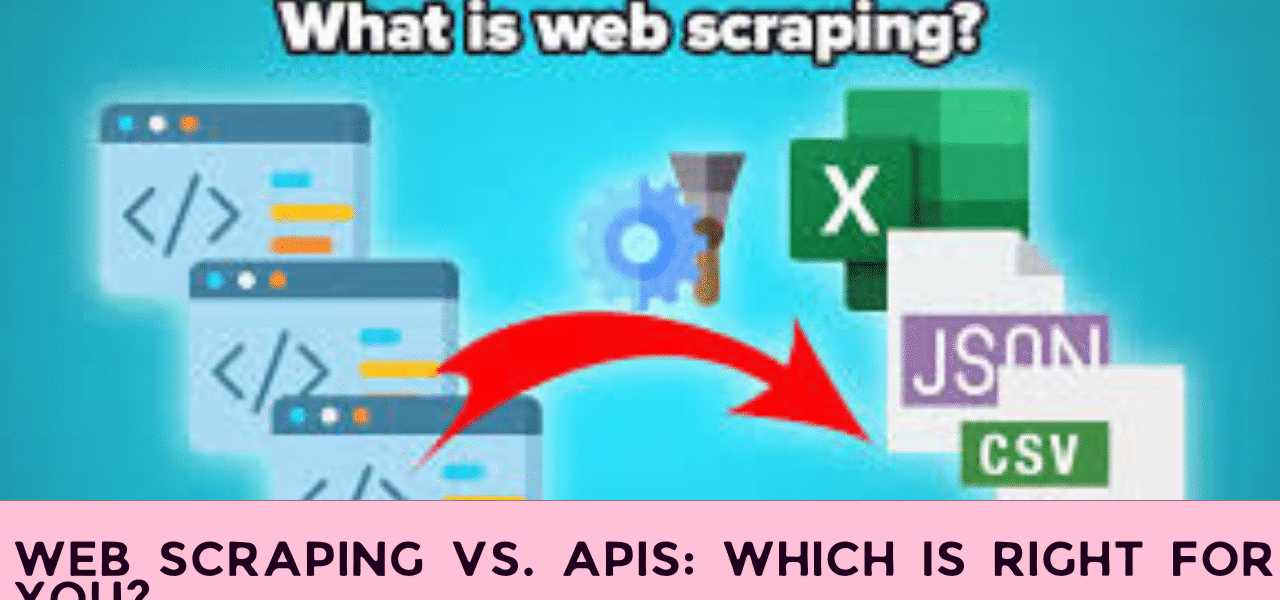
Web scraping is a methodical process that extracts data from websites. It starts with sending an HTTP request to the target webpage, just like your browser does.
Once the server responds, it delivers HTML code. Scrapers analyze this code to locate specific data points, such as product prices or user reviews.
Next comes parsing. This involves navigating through the HTML structure and isolating relevant information using various programming languages like Python or JavaScript.
After extracting the desired content, scrapers may store it in databases or spreadsheets for later use. Data can be transformed during this step to fit your needs better.
However, web scraping isn’t without challenges. Some websites employ anti-scraping measures that require careful handling of requests to avoid getting blocked. Adapting strategies continuously ensures effective data retrieval while staying compliant with legal guidelines.
Understanding APIs: What They Are and How They Work
APIs, or Application Programming Interfaces, serve as bridges between different software applications. They allow diverse systems to communicate and share data seamlessly.
At their core, APIs define the methods and data formats that applications can use to request services. Think of them as a menu in a restaurant—providing options without revealing how dishes are prepared in the kitchen.
When you send a request through an API, it processes your input and returns the desired output. This interaction happens behind the scenes, enabling functionalities like social media sharing or payment processing without requiring users to dig deeper into the inner workings.
APIs come in various forms: RESTful APIs utilize standard HTTP requests for communication while SOAP APIs rely on XML messaging protocols. Each type has its advantages depending on specific needs and project requirements.
Pros and Cons of Web Scraping vs. APIs
Web scraping offers a powerful way to extract data from websites. It allows you to gather information without being restricted by the limitations of an API. This flexibility can be invaluable for projects requiring large datasets.
However, web scraping comes with challenges. Websites frequently change their structure, which can break your scraper and require ongoing maintenance. Additionally, some sites have anti-scraping measures that may hinder or block access entirely.
APIs provide a more stable method of retrieving data. They are designed for integration, often resulting in cleaner and more reliable interactions compared to scraping HTML pages.
On the downside, APIs might limit the amount of data you can access or require authentication processes that add complexity to implementation. Hence, while both approaches have distinct advantages and disadvantages, your choice will depend on specific project requirements and constraints.
Use Cases for Web Scraping and APIs
Web scraping shines in scenarios where data is scattered across various websites. For instance, e-commerce businesses often gather competitor pricing to adjust their strategies effectively.
Market research firms utilize web scraping to extract customer reviews and sentiment from forums and social media platforms. This helps them identify trends and consumer preferences.
On the other hand, APIs are ideal for applications requiring real-time data access. News organizations rely on APIs for instant updates, ensuring they deliver timely information.
Travel aggregators use APIs to fetch flight details or hotel availability seamlessly from multiple sources without manual input.
Both approaches have their merits depending on project needs. Whether you’re looking at vast datasets or precise real-time updates, understanding these use cases can guide your choice between web scraping and APIs.
Choosing the Right Option for Your Project
Choosing the right option for your project depends on several factors. First, consider your data needs. If you require large amounts of information from various sites without access to structured datasets, web scraping might be ideal.
Next, think about frequency. Do you need real-time updates? APIs often provide timely data and can seamlessly integrate into workflows. They allow for easy adjustments as requirements change.
Evaluate technical resources too. If you have a team with strong programming skills, web scraping could work well. However, if your team is less experienced or prefers simplicity, APIs may offer a more user-friendly solution.
Keep in mind legal aspects. Always ensure that your methods comply with terms of service and relevant regulations to avoid potential pitfalls down the line. These considerations will guide you toward making an informed decision tailored to your project’s specific needs and capabilities.
Conclusion
When deciding between web scraping and APIs for your data needs, consider the specifics of your project. Web scraping offers flexibility in extracting data from various websites without relying on their structure or availability. It’s a powerful tool when you need to gather large amounts of information quickly.
On the other hand, APIs provide a structured approach to accessing data that is often more reliable. They come with documentation and support, making integration smoother and reducing potential errors during extraction.
Assessing the pros and cons of both methods will guide your decision-making process. Each has its strengths depending on your goals, technical expertise, and resources available. By understanding how each works and evaluating their use cases, you can choose the right path forward—ensuring you’re equipped with the best tools for success in your projects involving data collection.