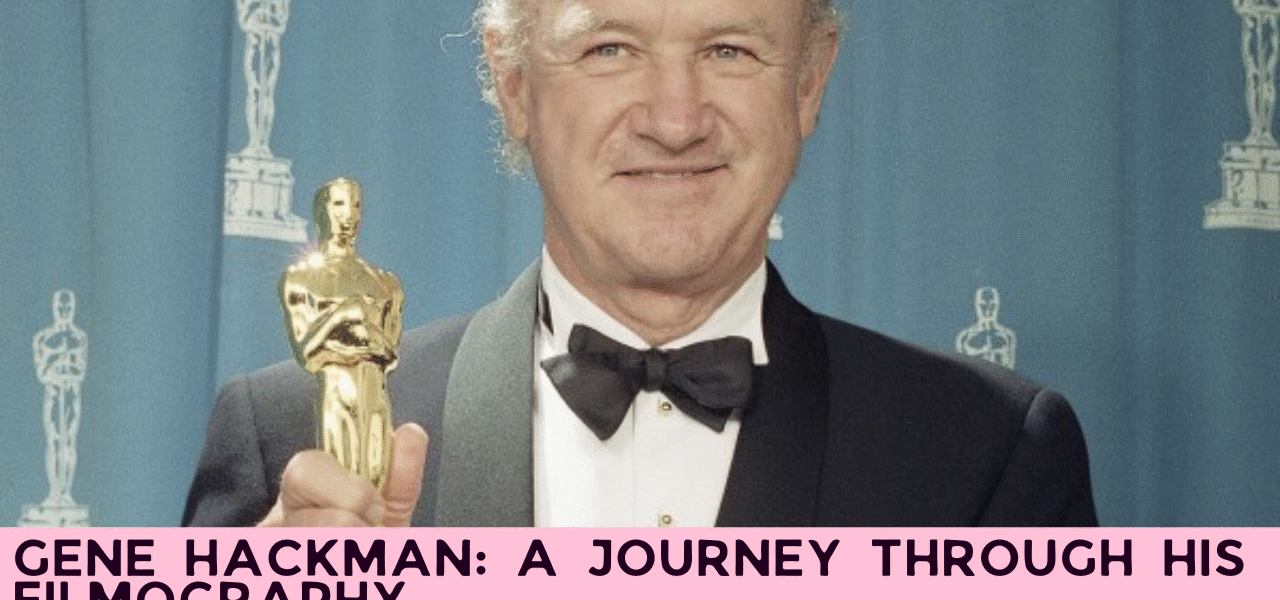

Introduction to Gene Hackman and his career
Gene Hackman is a name that resonates with movie lovers across generations. With a career spanning over six decades, he has delivered unforgettable performances that have left an indelible mark on Hollywood. From his early days in the theater to becoming one of the most respected actors in film history, Hackman’s journey is nothing short of remarkable. His ability to embody complex characters while maintaining authenticity has garnered him numerous accolades and a devout fan base.
In this blog post, we will delve deep into Gene Hackman’s life and career. We’ll explore his humble beginnings, rise to stardom through iconic roles, and the evolution of his acting style. Alongside memorable collaborations with fellow talents, we’ll shine a light on some lesser-known gems that showcase his versatility as an actor. As we navigate through the chapters of Gene Hackman’s illustrious filmography, we’ll discover how this legendary figure has shaped not only cinema but also our hearts as audiences.
Early Life and Career Beginnings
Gene Hackman was born on January 30, 1930, in San Bernardino, California. Growing up in a modest household, he faced challenges that shaped his resilient character. His father worked as a night watchman while his mother stayed at home to care for the family.
After high school, Hackman joined the United States Marine Corps and served during the Korean War. This period played a significant role in honing his discipline and work ethic. Following his military service, he ventured into acting at college-level courses.
Hackman’s early career began with regional theater performances before making strides toward television roles in shows like “The Twilight Zone.” These experiences laid the groundwork for what would become an illustrious film career filled with memorable characters and powerful performances. Each step brought him closer to Hollywood’s bright lights and offered glimpses of the talent yet to unfold.
Rise to Stardom: Iconic Roles and Awards
Gene Hackman’s rise to stardom is nothing short of extraordinary. His breakthrough came in 1967 with “Bonnie and Clyde.” In this iconic film, he portrayed the unforgettable role of Buck Barrow, showcasing his ability to blend humor with drama.
Following that success, Hackman captivated audiences in “The French Connection,” where he played the tenacious detective Jimmy “Popeye” Doyle. This performance earned him an Academy Award for Best Actor—a testament to his undeniable talent and grit.
His versatility shone through again in films like “The Conversation” and “Unforgiven,” both of which garnered critical acclaim. Each role added depth to his portfolio, proving that Hackman could tackle any genre with ease.
With two Oscars under his belt and numerous nominations, Gene Hackman’s legacy as one of cinema’s finest actors was firmly cemented during this period.
The Evolution of Gene Hackman’s Acting Style
Gene Hackman’s acting style has undergone a remarkable transformation over the decades. He started as a raw, intense performer in the 1960s, often channeling his emotions into characters that felt achingly real. His early work showcased a gritty authenticity that set him apart from contemporaries.
As he matured, Hackman’s approach became more nuanced. He developed an ability to convey complex feelings with subtlety. This evolution allowed him to take on diverse roles—from noble heroes to morally ambiguous villains—each marked by genuine depth.
One notable shift was his embrace of dark humor and irony in films like “The Royal Tenenbaums.” Here, his character’s quirks blended seamlessly with emotional gravitas.
This adaptability not only highlighted his range but also brought freshness to every performance. Audiences were captivated by how effortlessly he could navigate between drama and comedy while maintaining his signature intensity throughout each role.
Memorable Collaborations and On-Screen Chemistry
Gene Hackman’s career is marked by striking collaborations with talented directors and actors. His on-screen chemistry often elevates the material, making scenes unforgettable.
One of his most notable partnerships was with director William Friedkin in “The French Connection.” Their synergy created a gritty realism that captured audiences’ attention. Hackman’s portrayal of Detective Popeye Doyle remains iconic.
Hackman also shined alongside co-stars like Gene Wilder in “Young Frankenstein.” The contrasting styles between the two added depth to their comedic exchanges. This blend of humor and drama showcased Hackman’s versatility.
Another memorable collaboration occurred with actress Annette Bening in “The Target.” Their dynamic brought tension and intrigue, demonstrating how well they played off each other. Each performance felt genuine, immersing viewers into their world.
These partnerships reveal not just talent but also an understanding of character dynamics that made them shine bright on screen.
Lesser-Known Gems: Underrated Performances by Gene Hackman
Gene Hackman has a treasure trove of performances that often fly under the radar. One such gem is his role in “The Conversation.” In this film, he portrays a surveillance expert spiraling into paranoia, showcasing an intense vulnerability rarely seen in his more famous roles.
Another underrated performance comes from “I Never Sang for My Father.” Here, Hackman’s portrayal of a man grappling with familial ties and regret resonates deeply. His ability to convey complex emotions makes it unforgettable.
In “Mississippi Burning,” while co-star Willem Dafoe received much attention, Hackman’s nuanced delivery as an FBI agent navigating racial tensions adds depth to the narrative.
Each of these films highlights different facets of Gene Hackman’s extraordinary talent. They remind us that even within a celebrated career, some performances still deserve more recognition than they receive.
Retiring from Hollywood and Legacy in the Film Industry
Gene Hackman made the decision to step away from Hollywood in the early 2000s, marking a significant moment in cinema history. After decades of captivating performances, he chose to focus on writing and live a more private life.
His absence left a noticeable gap in film. Hackman’s ability to embody complex characters was unparalleled. From intense dramas to light-hearted comedies, his versatility shone through every role.
Fans still celebrate his impressive body of work. Movies like “The French Connection,” where he showcased raw authenticity, remain timeless classics. His unique style influenced countless actors who came after him.
Hackman’s legacy isn’t just about awards; it’s about how deeply he resonated with audiences. Those who experienced his films understand that they witnessed something special—a true master at work. The echoes of his performances will continue to inspire future generations in the industry and beyond.
Conclusion: The Impact of Gene Hackman’s Films on Audiences
Gene Hackman’s films have left an indelible mark on audiences around the world. His ability to inhabit characters ranging from the corrupt to the heroic showcases his versatility and depth as an actor. Each performance invites viewers into a unique emotional landscape, drawing them in with authenticity.
From his early roles in “Bonnie and Clyde” to his unforgettable portrayal of Lex Luthor in “Superman,” Hackman’s work has influenced generations of actors and filmmakers alike. His dynamic collaborations with directors like William Friedkin and Francis Ford Coppola added layers of complexity to iconic films such as “The French Connection” and “The Conversation.”
Even after stepping away from Hollywood, Gene Hackman’s legacy continues through the powerful narratives he helped create. Fans cherish not just his celebrated performances but also those lesser-known gems that reveal different facets of his artistry. This remarkable journey through Hackman’s filmography reminds us how compelling storytelling can resonate long after the credits roll.
As we reflect on Gene Hackman’s contributions, it’s clear that he is more than just a talented actor; he’s a storyteller who has gifted us countless memorable moments on screen. The impact of his films will undoubtedly inspire future talents for years to come, ensuring that audiences continue to connect deeply with the stories he brought vividly to life.