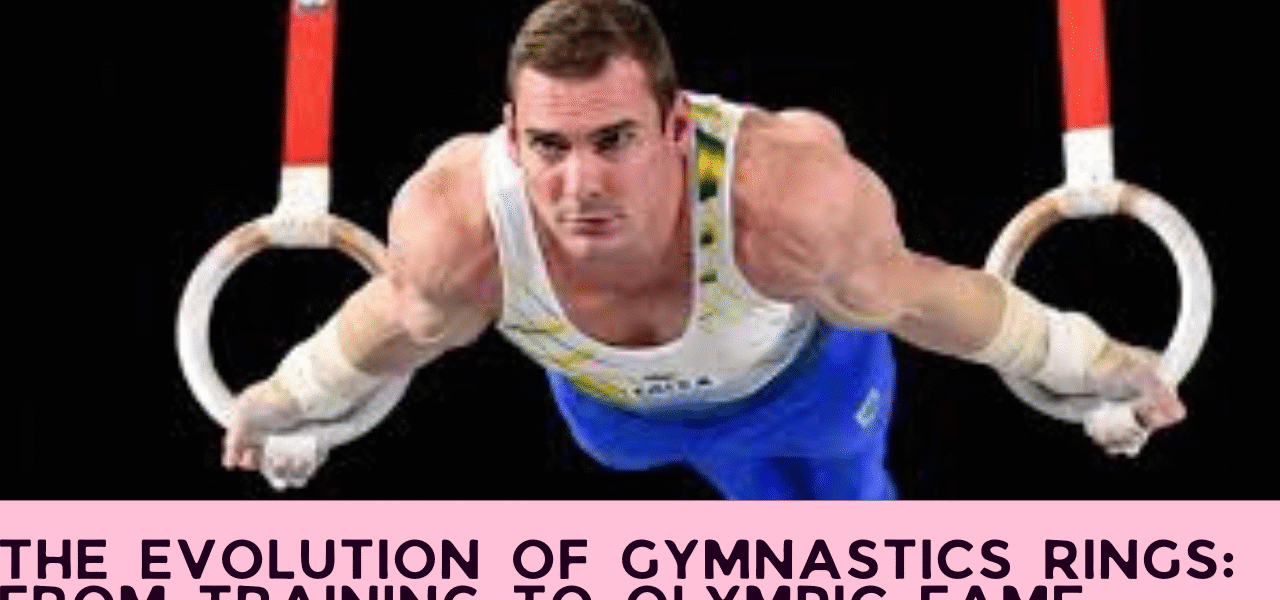
The Evolution of Gymnastics Rings: From Training to Olympic Fame

Introduction: History of Gymnastics Rings
The Evolution of Gymnastics Rings: From Training to Olympic Fame is a fascinating journey through time, showcasing how a simple training tool evolved into an iconic symbol of athleticism and grace. Imagine the thrill of watching athletes soar through the air, executing breathtaking moves while suspended from rings. This captivating apparatus has roots that stretch back thousands of years, tracing its origins to ancient civilizations. The artistry and strength displayed on gymnastics rings have not only captivated audiences but also transformed this discipline into an Olympic spectacle.
As we explore this evolution, we’ll uncover stories from the past and insights about modern training techniques. Whether you’re a seasoned gymnast or just starting your fitness journey, understanding the rich history behind gymnastics rings will inspire you to embrace their power in your workouts. Join us as we delve deeper into this intriguing world where tradition meets innovation!
Early Beginnings: The Ancient Greeks and Romans
The origins of gymnastics rings can be traced back to the ancient Greeks and Romans. These civilizations prioritized physical fitness, viewing it as essential for both war and sports.
In Greece, athletes trained rigorously in gymnasiums. They utilized various equipment to develop strength and agility. Among these tools were early versions of rings made from ropes or leather.
The Romans adopted this passion for physical prowess, incorporating gymnastics into their military training. Soldiers practiced on rudimentary rings to improve their upper body strength and coordination.
These training methods laid the groundwork for more sophisticated apparatuses in later centuries. The essence of using suspended rings remained—a testament to human ingenuity in enhancing athleticism through innovative design.
Development of Modern Gymnastics Rings
The journey of gymnastics rings took a remarkable turn in the late 19th century. This era marked the transition from rudimentary wooden and metal structures to more sophisticated designs that we use today.
Innovators began focusing on adjustable straps and higher quality materials, enhancing safety and usability for athletes. As these advancements unfolded, gymnasts gained the ability to perform increasingly complex maneuvers.
By the early 20th century, gymnastics rings were officially integrated into competitive routines. Their inclusion added an impressive dimension to gymnastics performances, captivating audiences with breathtaking displays of strength and agility.
As training techniques evolved alongside equipment improvements, athletes pushed boundaries further than ever before. Today’s rings are designed not only for performance but also for durability and flexibility—allowing performers to showcase their unique style while honing their skills efficiently.
Olympic Game Changers: The Role of Gymnastics Rings in Competition
Gymnastics rings have carved a niche in Olympic history, transforming the landscape of artistic gymnastics. These rings are not just equipment; they symbolize strength, control, and artistry.
Athletes showcase breathtaking feats that blend raw power with elegance. The skillful transition from one move to another often leaves spectators in awe. Gymnasts leverage their body weight and momentum for stunning displays of athleticism.
Olympic competitions highlight these incredible performances. Judges assess precision, difficulty, and execution quality—making every second count on the world stage.
The introduction of gymnastic rings has pushed athletes toward new heights. It demands rigorous training and discipline while serving as a testament to human capability.
As viewers witness gravity-defying routines unfold live during the Games, it becomes clear: gymnastics rings are more than mere instruments—they’re integral to Olympic greatness.
Benefits of Training with Gymnastics Rings
Training with gymnastics rings offers a multitude of advantages that go beyond traditional workout methods. One key benefit is the development of upper body strength. The instability of the rings requires greater muscle engagement, particularly in the shoulders, chest, and back.
Balance and coordination also see significant improvement when using these versatile tools. As you perform various movements on the rings, your body learns to stabilize itself in new ways.
Another advantage is enhanced core strength. Many exercises demand tight abdominal control to maintain proper form, making every rep an effective core workout.
Flexibility gains are another highlight. Working through different positions helps increase range of motion while promoting joint health.
Training on gymnastics rings fosters mental resilience. Overcoming challenges presented by this equipment builds confidence and determination in athletes at all levels.
Types of Exercises on Gymnastics Rings
Gymnastics rings offer a versatile platform for various exercises that challenge strength, balance, and coordination.
One popular movement is the muscle-up, combining a pull-up and dip into one fluid motion. It’s an impressive display of upper body power.
Another essential exercise is the ring dip. This targets the chest, triceps, and shoulders while also engaging stabilizing muscles.
For core engagement, try the L-sit hold. This challenging position requires substantial abdominal strength and control to maintain form.
The skin-the-cat move stretches your back and improves shoulder flexibility while performing a full inversion on the rings.
Don’t overlook static holds like the front lever or planche; they demand exceptional core stability.
Each of these exercises highlights different aspects of physical fitness. They can be tailored to suit all skill levels from beginners to seasoned athletes seeking intense training sessions.
Training Tips for Beginners
Starting your journey with gymnastics rings can feel daunting, but it doesn’t have to be. Begin by mastering basic movements like the ring row and push-up. These foundational exercises build strength and stability.
Focus on body control. Engage your core throughout each movement to maintain balance and prevent injury. As you progress, try transitioning between different grips—this will enhance your adaptability.
Don’t rush into advanced skills such as muscle-ups or planches without proper preparation. Give yourself time to develop strength in the fundamental movements before progressing.
Incorporate regular stretching sessions into your routine; this enhances flexibility, which is crucial for many ring exercises. Remember to listen to your body and rest when needed.
Consider training with a partner or coach who understands proper technique. Their guidance may help avoid common pitfalls while keeping motivation high.
The Future of Gymnastics Rings
The future of gymnastics rings looks promising as the sport continues to evolve. With advancements in technology, we might see innovative materials that could enhance performance and safety.
Athletes are constantly pushing their limits. This drive will lead to new techniques and styles on the rings, making competitions even more thrilling.
Additionally, there’s a growing interest in functional fitness. More people are integrating gymnastics rings into their workout routines, which may inspire gyms to offer specialized training programs.
Social media plays a significant role too. Platforms like Instagram and TikTok showcase incredible ring performances, igniting passion among viewers and potential athletes alike.
As awareness about bodyweight training spreads globally, gymnastics rings will likely gain more recognition. Their versatility makes them an essential tool for both elite gymnasts and everyday fitness enthusiasts.
Conclusion: Why Gymnastics Rings Will Always Be an
Gymnastics rings have woven a rich tapestry of history, showcasing their journey from ancient tools used by the Greeks and Romans to essential equipment in modern Olympic competitions. Their evolution reflects not only advancements in gymnastics but also a growing appreciation for functional strength training.
Training with gymnastic rings offers unmatched benefits. They enhance muscle coordination, promote overall body awareness, and build impressive upper body strength. Whether you’re performing dips or holds, each exercise requires stability and control that translates well into other fitness disciplines.
As we look ahead, it’s clear that gymnastics rings will remain vital in both competitive sports and personal fitness routines. With new techniques emerging and more athletes discovering their potential on this versatile piece of equipment, the future shines bright for enthusiasts at every level.
The commitment to skill development through gymnastics rings fosters resilience among practitioners. As these dynamic tools continue to inspire generations of athletes, they reaffirm their status as an iconic element within the world of physical training—a timeless testament to what is possible when dedication meets creativity.





5 COMMENTS