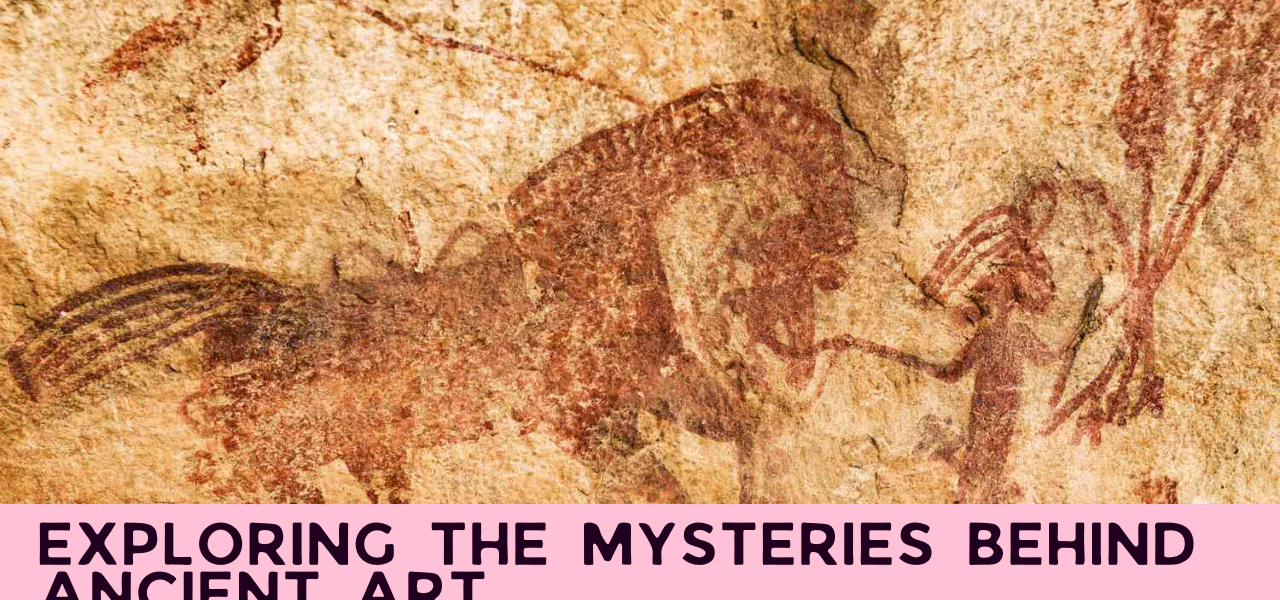

Ancient art serves as a captivating portal into the past, revealing glimpses of our ancestors’ lives, beliefs, and creativity. Each brushstroke on a cave wall or chisel mark on a statue tells a story that transcends time. From the earliest expressions of human emotion to intricate designs crafted by skilled artisans, ancient art has left an indelible mark on civilization. As we delve into its mysteries, we encounter not just beautiful artifacts but whispers of cultural significance and profound meaning. Join us on this journey through the ages as we explore what ancient art can teach us about humanity’s shared heritage.
The Different Types of Ancient Art: Cave Paintings, Sculptures, and Ceramics
Ancient art offers a fascinating glimpse into the lives of our ancestors. Among its most captivating forms are cave paintings, which date back tens of thousands of years. These vivid depictions often showcase animals and human figures, suggesting rituals or storytelling.
Sculptures present another intriguing aspect of ancient creativity. Crafted from stone, wood, or ivory, they reflect cultural beliefs and social structures. From the awe-inspiring Easter Island Moai to delicate Greek statuettes, each piece speaks volumes about its civilization.
Ceramics add yet another layer to this rich tapestry. Beautifully adorned pottery not only served practical purposes but also showcased artistic skills and societal norms. Different styles emerged across regions—from utilitarian vessels in ancient China to intricately painted pots in Mesoamerica.
These diverse types illuminate the multifaceted nature of ancient expression and reveal how interconnected art was with daily life.
Theories about the Purpose of Ancient Art
Ancient art has puzzled scholars for centuries, sparking a myriad of theories about its purpose. Some believe it served a functional role, perhaps as tools or ceremonial objects in rituals. This practical approach highlights the connection between artistic expression and daily life.
Others argue that ancient art was primarily spiritual. Many pieces reflect deep ties to religious beliefs or social structures of early civilizations. They often depict deities or tell stories meant to convey moral lessons.
Another fascinating theory suggests that ancient art was created for communication. Visual storytelling might have been a way to document events, share knowledge, or even express emotions among communities.
The very absence of definitive answers adds layers to our understanding of ancient artworks. Each piece opens up discussions on human creativity and cultural significance through time.
Mysteries Surrounding Prehistoric Cave Paintings
Prehistoric cave paintings captivate the imagination. Found in locations like Lascaux and Altamira, these artworks date back tens of thousands of years. But what drove early humans to create such striking images?
Scholars have long speculated about their purpose. Were they mere decorations or something deeper? Some suggest that these depictions served as rituals or communication with spirits. Others believe they were early attempts at storytelling.
The techniques used remain a wonder too. How did ancient artists achieve such vibrant colors using natural pigments? The mystery deepens when considering the placement of these artworks within caves, often in hard-to-reach areas.
Despite extensive research, many questions linger. Each new discovery adds layers to our understanding but also raises more inquiries about this enigmatic form of expression and its significance in human history.
The Enigmatic Beauty of Ancient Sculptures
Ancient sculptures captivate us with their intricate details and emotive expressions. Each piece tells a story, often reflecting the culture and beliefs of its time. From the lifelike figures of ancient Greece to the stylized forms of Egyptian art, these creations reveal much about their societies.
The craftsmanship involved in sculpting from stone or clay is awe-inspiring. Artisans poured their skill into every curve and line, breathing life into materials that seemed otherwise inert. The tactile quality invites viewers to reach out and connect with history.
Many ancient sculptures served specific purposes—religious rituals, commemorative monuments, or even as markers of power. They were not merely decorative but held significant meaning for those who created them.
Yet some remain shrouded in mystery. Questions linger about the techniques used and the symbolism embedded within each sculpture’s form. This enigmatic beauty continues to inspire curiosity today.
Unraveling the Secrets of Ceramic Artifacts
Ceramic artifacts provide a tangible link to ancient civilizations. These pieces tell stories about daily life, rituals, and artistry from times long past.
Each shard or vessel reveals the methods of creation—hand-built techniques or wheel-thrown pottery. The variations in style and decoration also hint at cultural influences and trade connections.
Many ceramics were not just functional; they served ceremonial purposes too. Intricate designs often hold symbolic meanings that remain elusive today. Scholars tirelessly work to decode these motifs, piecing together fragments of history.
The firing process used in ancient kilns adds another layer of mystery. Different temperatures created diverse textures and colors, showcasing the skill level of artisans who shaped them.
As archaeologists uncover more ceramic finds each year, our understanding deepens. Each discovery invites new questions about the beliefs and lifestyles of those who came before us.
Controversies and Debates Surrounding Ancient Art
Ancient art often ignites passionate debates among historians, archaeologists, and enthusiasts alike. One of the most contentious issues is ownership. Many artifacts reside in museums far from their origins, sparking discussions about cultural heritage and repatriation.
The interpretation of ancient symbols presents another point of contention. Scholars frequently disagree on what these symbols represent—are they religious icons or mere decorative motifs? Each theory adds layers to our understanding but also raises questions about accuracy.
Additionally, the methods used to date ancient art can be disputed. New technologies sometimes challenge long-accepted timelines, leading some experts to reassess historical narratives.
There’s an ongoing debate over authenticity versus forgery. As reproductions become increasingly sophisticated, discerning genuine pieces from fakes becomes a challenge that affects collectors and institutions alike. Each controversy adds richness to the narrative surrounding ancient art’s legacy and its impact on modern society.
Impact of Ancient Art on Modern Culture and Society
Ancient art has left an indelible mark on modern culture and society. Its influence is seen in various forms, from the architecture of our cities to the aesthetics of contemporary design. Artists today draw inspiration from ancient techniques, motifs, and materials.
The stories told through cave paintings resonate with us still. They remind us of our shared human experience and connect us across time. Sculptures that once adorned temples now inspire modern installations that invite reflection on beauty and existence.
Ceramics crafted thousands of years ago are not just artifacts; they represent a lineage of creativity that persists into the present day. Potters continue to explore traditional methods while infusing them with new ideas.
Debates surrounding ancient art challenge us to rethink what we consider valuable or meaningful in artistic expression. As scholars uncover more about these works, they spark discussions about identity, heritage, and cultural significance.
In essence, ancient art serves as both a window into our past and a catalyst for innovation in today’s world. The mysteries it holds compel us to keep exploring its depths while celebrating the profound impact it continues to have on who we are as individuals and societies at large.




2 COMMENTS